Table of Contents
New! Various therapeutic methods and techniques can be tailored to the particular requirements and characteristics of the family. Households may seek therapy for different reasons, including: difficulties connecting successfully might lead to misunderstandings, disputes, or consistent arguments.
Treatment offers a risk-free space for households to discover their dynamics, improve understanding, establish much healthier patterns, and find out effective strategies to handle obstacles.
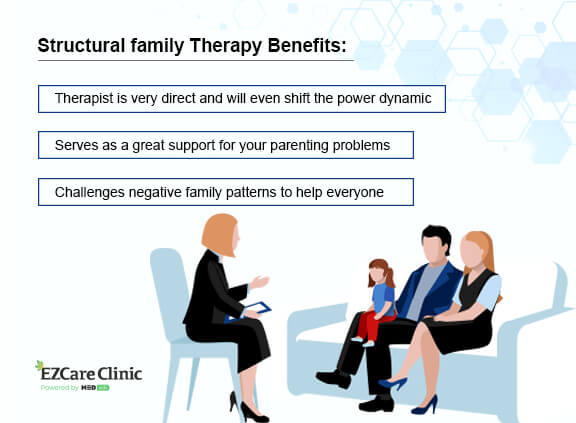
The performance of a family members treatment session relies upon numerous vital concepts and methods that cultivate an atmosphere conducive to meaningful interaction and progress. Below are the steps to running an effective family members therapy session. 1. Foundational in household treatment, this initial action entails developing a risk-free and non-judgmental space where each member of the family really feels comfy expressing themselves.
Group Counseling Opportunities
Program authentic understanding and empathy towards each family members participant's experiences and emotions. Guarantee family members their privacy is valued and clarify the meaning of confidentiality.
Emphasis on: Promote an ambience where household participants diligently pay attention without disrupting or judging each other. Educate household members to duplicate what they've listened to, making certain a clear understanding of each various other's perspectives.
When Cultural Background Affects Mental Health
Make sure the goals are aligned with the family members's needs. Clearly explain the function of treatment, what adjustments are anticipated, and the potential outcomes. Consistently revisit and reassess the goals to evaluate progression and make any required modifications. Clear objectives give instructions and emphasis throughout therapy, leading treatments and helping household members track their progress.
This entails: Make certain all relative have the chance to express their ideas, beliefs, and sensations each session. Acknowledge and appreciate each member of the family's input, emphasizing the worth of their perspective. Make sure that nobody dominates the conversation and encourage quieter household participants to speak out. Urging participation guarantees that all voices are heard, promotes a sense of ownership in the healing procedure, and strengthens the concept that everyone's payments sustain favorable adjustment.
If you make use of these methods, you will facilitate a much more efficient and impactful healing journey. The first session functions as an introduction to you and the healing procedure. Adhere to these steps. 1. Permit each member of the family to present themselves, sharing their reason for seeking therapy and their expectations. Present yourself and supply a little bit of background.
Professional Stress and Mental Health

3. Collect information concerning family members characteristics, relationships, and issues. Identify strengths and obstacles within the family members. 4. 5. Discuss the family members's aspirations. What does the family members intend to obtain out of treatment? 6. 7. Describe the therapy process, confidentiality, duties of member of the family, and the dedication needed for progression. 8.
Ask the grownups to complete and authorize any kind of permission or launch forms, as well as any type of various other required paperwork. 10. Produce a framework that facilitates efficient interaction, analytical, and progress towards therapeutic objectives. Below's an in-depth failure of each phase. 1. To comprehend each relative's emotional state and worries, start the session by allowing each participant to briefly share their current thoughts, sensations, and any kind of updates.
3. Collaboratively establish the emphasis for the session and identify pressing issues that require conversation. This action makes sure that everybody really feels heard which the session addresses appropriate issues. 4. 5. Wrap-up goals and evaluate the development made to track the household's progress and recognize what requires to be resolved.
Holistic Approaches for Depression Recovery
5. Create a secure environment where each family member really feels comfortable expressing themselves. Encourage respectful interaction and aid participants recognize each other's point of views. 6. 1. Review the main understandings, conversations, and final thoughts reached throughout the session. This strengthens important takeaways and makes certain everyone gets on the same web page. 2. 3.
Right here are much more tips: 1. 2. Foster an environment where each household participant really feels secure, accepted, and appreciated no matter their perspectives or habits. Show genuine empathy by actively listening and confirming the feelings and experiences shared by each relative. Develop clear guidelines for communication, considerate behavior, and session involvement.
Intimate Partner Violence Trauma
It can aid parents and caregivers understand the sources of problematic habits and establish techniques to resolve it. Families typically deal with obstacles throughout major life shifts such as divorce, loss, or moving. Household therapy can provide assistance and support to help families adjust to these modifications and navigate them with greater ease.
This can have a favorable impact on the psychological and emotional health of all member of the family. Including the family members in the therapy process develops a more helpful environment for participants handling conditions like anxiety or addiction. By resolving and dealing with conflicts and dysfunction, household therapy can assist protect against future problems and advertise healthier partnerships.
1. 2. Originally, emphasis on creating a strong therapeutic partnership with the family members. This involves: Structure count on with each member of the family. Working together with the household to develop clear, specific, and possible treatment goals that are straightened with the family's problems and motivations for looking for therapy. Make clear the duties of each household member while clarifying the therapeutic process and talking about the commitment needed for development.

Navigation
Latest Posts
Relational Patterns in Dynamic Psychotherapy in Chicago
Who Benefits from EMDR Therapy
Recognizing Anxiety in Younger Children