Table of Contents
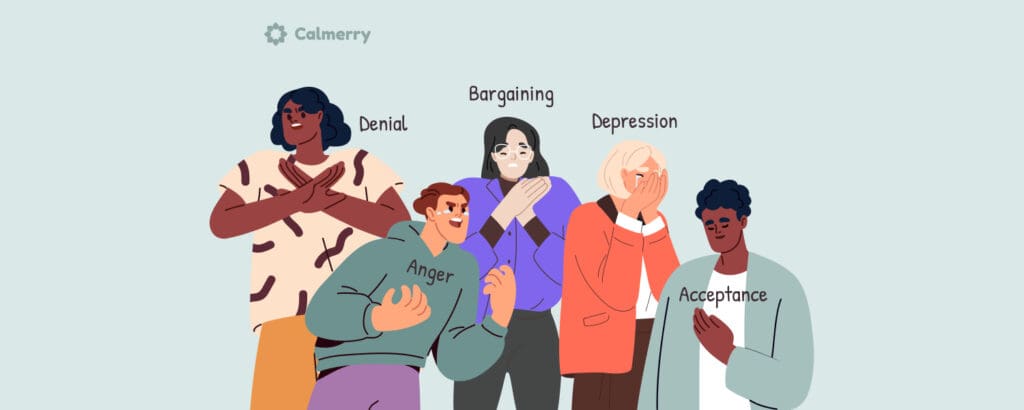
Sorrow is a complicated process that varies from individual to person. The five phases of sorrow rejection, rage, bargaining, anxiety, and approval are a helpful structure for thinking of pain, however it does not mean we'll undergo every phase. Similarly, we can experience these aspects of sorrow at different times, and they don't happen in one particular order.
This website uses cookies to assist personalise material, customize your experience and to keep you visited if you sign up. By remaining to use this website, you are consenting to our use of cookies.
This cyclical structure is indicated to help you better comprehend your sensations and is not meant to prescribe exactly how you need to regret, what you ought to be sensation, or in which order. Each phase might come and go or overlap the others.
If you 'd such as to discover more concerning your specific grieving process, it's a good idea to reach out to a trusted psychological health and wellness professional to recognize on your own better and establish ideal coping methods. Discover more about the seven stages of pain. Grief can be a tough and untidy procedure. When a loss occurs, one of the first points you might experience is shock.
Distinct Stressors of Physicians Accessing Treatment
That's because no one can ever be absolutely planned for a loss so significant. As a result, when you are in shock after a loss, you might behave usually or just as if nothing has actually taken place. The majority of the moment, this is since your body has not processed the loss yet. You may really feel like the circumstance hasn't "sunk in" simply.
These feelings and experiences are self-protective mechanisms that function as a barrier to ensure that you are not overwhelmed simultaneously. Due to the fact that the fatality of an enjoyed one can have such a significant effect on you, you might experience rejection. During this stage of sorrow, it is merely also difficult for your mind to understand that your household participant, buddy, or other loved one is gone.
As you gradually start to accept the loss and what it indicates for your life currently, your denial will start to diminish. You may have a broader variety of sensations and emotions when denial diminishes. Till after that, you might have durations when you feel distressed, which can be caused by reminders of your loved one.

Sometimes, it's a typical feeling to desire to prevent others to make sure that you do not need to recognize or review your loss. Sometimes, you feel absent-minded, obtain quickly sidetracked, or procrastinate throughout this stage of grief. You might also attempt to remain active regularly or closed down mentally.
High-Functioning Depression Behind the Facade of Accomplishment
In certain situations, you could additionally feel mad with the doctor, your close friends, household members, God, or any type of other spiritual being(s) you rely on. However under all that anger is your discomfort. While it might be awkward to deal with, it gives much more framework to your mourning than continuing to be numb.
Throughout this stage, people frequently feel defenseless and hopeless and ask themselves "what happens if" concerns. You might feel guilty for not doing more to keep the loss from happening or for not investing more time with the person you lost. During the negotiating stage, it prevails to ask yourself or claim, "I ought to have done this ..." or "If I had just done that ..." While these kinds of questions are normal, they are not where you want your thought procedure to stay.
Career Balance After Therapy
Instead, try believing concerning any kind of good memories you have with them. Often, just reflecting on these thoughts can help you release the shame. It might also be valuable to do something specific, like create a letter to your loved one or speak to them out loud. When you involve terms with the fact of the loss, a much deeper level of sadness might start to slip in.

You can additionally go to for a checklist of extra resources or call the number listed below to reach Compound Misuse and Mental Health Solutions Administration (SAMHSA) hotline. The testing stage of the grieving process usually includes checking out various things that help you progress. In this stage, you are starting to construct your brand-new typical along with refining your feelings and emotions developed by the loss.
Reaching the approval stage does not suggest you are OK with what occurred. Instead, this component of the mourning process is much more about approving what your life resembles currently. You will still need to listen to your sensations and change, yet you will certainly start to really feel even more wholeeven if it looks different than it did previously.

Navigation
Latest Posts
Healing Self-Critical Beliefs
Managing Anxious Thoughts: A Professional Perspective
Self-Concept through Immigration